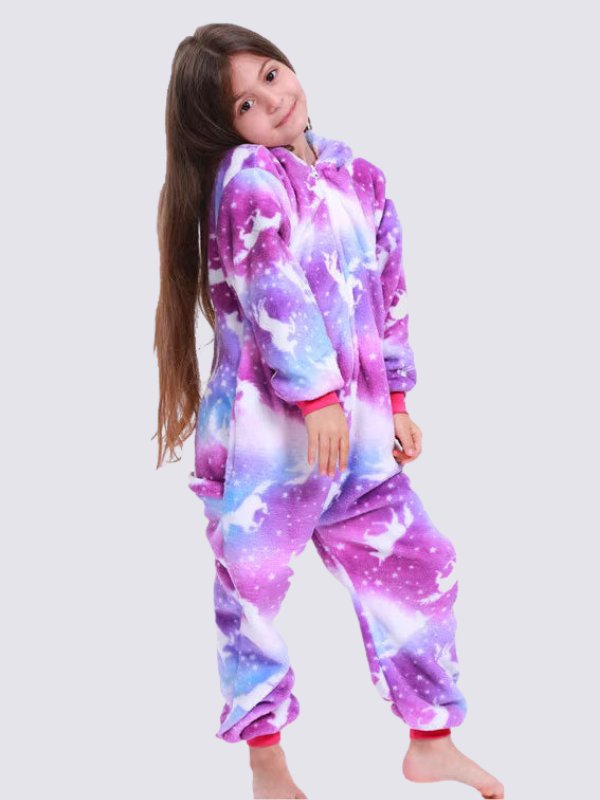
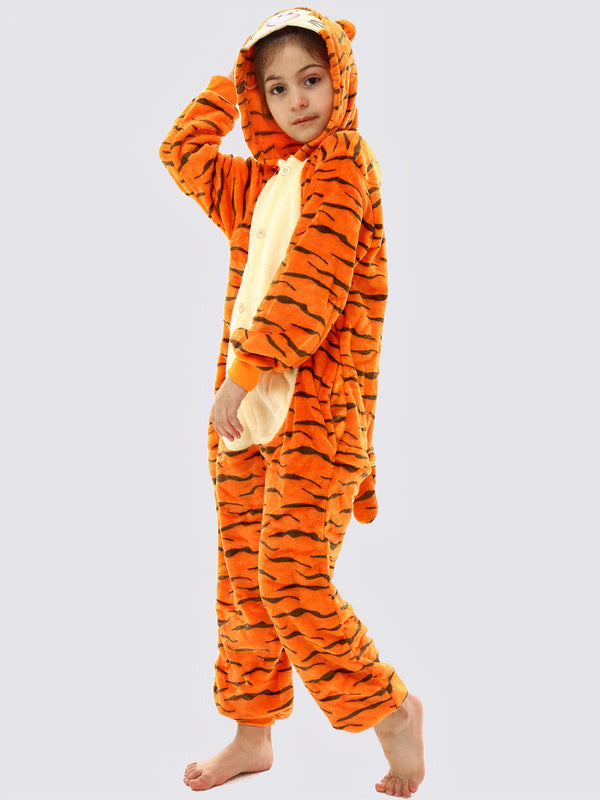
Kids’ Onesies: The Ultimate Hug for Play, Sleep, and Cozy Days
There’s a moment every parent recognizes. The pajamas go on, the lights dim, and suddenly the day softens. For kids between 3 and 12, that moment often comes with a onesie—zipped up, hood on, feet warm, and worries left somewhere between the couch cushions and the toy box.
Kids’ onesies aren’t just pajamas. They’re comfort costumes. They’re the outfit worn for fort-building in the living room, Saturday morning cartoon marathons, and quiet evenings spent stargazing in the backyard. For parents, they’re also a practical solution: warm, easy, and designed to stay put no matter how much kids twist, tumble, or wiggle.
That’s why one-piece pajamas continue to be a favorite for families who want warmth, simplicity, and a little bit of magic at bedtime.
More Than a Pajama: The Versatility of the Onesie
What makes kids’ onesies so special is how effortlessly they move between sleepwear and playwear.
During the day, they’re the ultimate lazy-day uniform. At night, they become a full-body layer that keeps kids warm from shoulders to ankles—no riding-up shirts or twisted waistbands.
One Outfit, Many Moments
Kids wear onesies for:
- Movie nights curled up on the couch
- Reading time before bed
- Sleepovers and themed pajama parties
- Camping trips and chilly mornings
- Costume days when imagination takes over
Because they’re all-in-one, kids don’t need to think about matching tops and bottoms. They zip in, and they’re done.
For parents, that means fewer layers to manage and fewer complaints about cold air sneaking in.
Fabric Science: Choosing Between Fleece, Cotton, and Plush
Not all kids’ onesies feel—or function—the same. Fabric choice plays a huge role in comfort, warmth, and sleep quality.
Cotton Onesies: Breathable and Flexible
Cotton onesies are ideal for:
- Mild temperatures
- Kids who run warm
- Year-round indoor wear
They offer breathability and softness without trapping heat. Cotton is especially useful for kids who sweat at night or prefer lighter layers.
Fleece Onesies: Cozy Warmth Without Bulk
Fleece is a go-to for colder months. It works by trapping warm air close to the body while staying lightweight.
Parents love fleece onesies because:
- They keep kids warm even if blankets get kicked off
- The fabric feels soft and comforting
- They’re easy to care for and quick-drying
For winter evenings or drafty bedrooms, fleece offers reliable warmth.
Plush & Sherpa-Style Fabrics: Maximum Snuggle
Plush fabrics take softness to the next level. These are often chosen for:
- Extra-cold nights
- Cozy indoor lounging
- Kids who love that “wrapped in a blanket” feeling
Because plush fabrics are warmer, they’re best reserved for cooler environments rather than year-round use.
Design Details That Matter (More Than You Think)
A kids’ onesie might look simple, but the details determine whether it’s comfortable—or frustrating.
Zippers with Safety in Mind
A good zipper should:
- Glide smoothly without snagging
- Include a soft zipper guard at the neck
- Open easily for quick changes
Zipper garages prevent rubbing or pinching under the chin, which is especially important when kids fall asleep mid-zip.
Ribbed Cuffs for Movement
Ribbed cuffs at wrists and ankles:
- Keep sleeves from slipping over hands
- Prevent tripping during play
- Help the onesie stay in place overnight
They allow freedom of movement without excess fabric.
Hoods: Fun and Functional
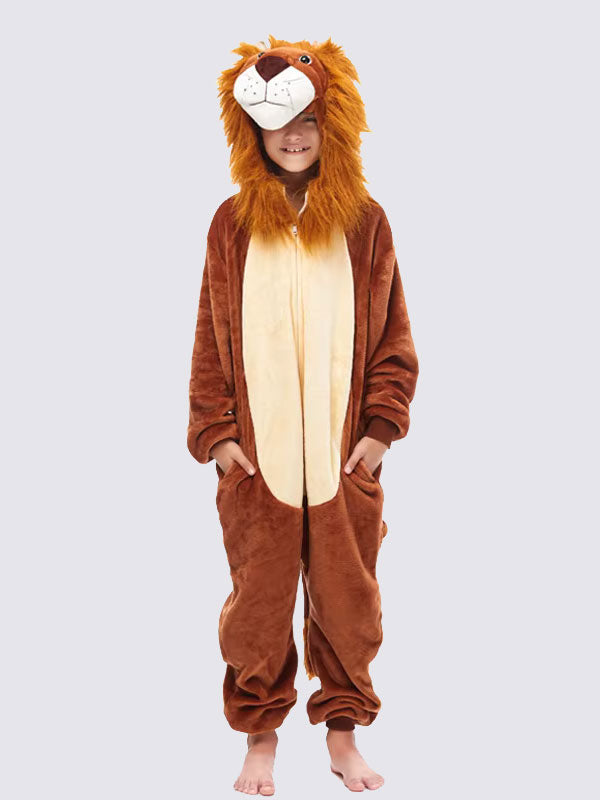
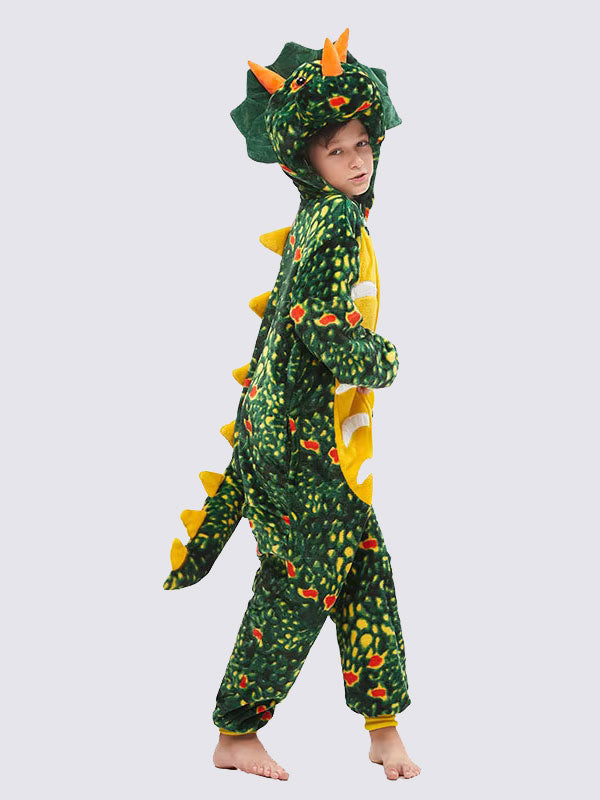
Hoods add warmth and personality. Animal ears, playful shapes, or simple lined hoods make onesies feel special.
For sleep, hoods are designed to rest flat on the back. They’re best used for lounging or pre-bedtime play, then folded down once kids settle in.
Pockets for Tiny Treasures
Kids love pockets. Whether it’s a favorite toy, a flashlight, or a secret note, pockets add an element of fun without compromising comfort.
Safety First: The Logistics of One-Piece Wear
Parents often wonder whether onesies are safe for sleeping. When designed properly, they absolutely are.
Fire Safety & Fit
Children’s sleepwear must meet strict safety regulations. Onesies are designed to:
- Fit comfortably without excessive looseness
- Avoid long, trailing fabric
- Use safe materials appropriate for sleep
Unlike slim-fit pajamas, onesies allow “room to wiggle” while still maintaining safe proportions.
Footed vs. Footless Options
Footed onesies:
- Keep toes warm
- Often include non-slip grips
- Are ideal for younger kids
Footless onesies:
- Offer flexibility for growing feet
- Pair easily with socks
- Work well for older kids
Both styles can be safe when properly fitted.
The Magic of Themed Onesies
For kids, pajamas aren’t just something you wear to sleep. They’re an extension of imagination.
Themed onesies turn bedtime into playtime before the lights go out. A child who hesitates to head upstairs suddenly can’t wait to zip into their favorite character or animal.
Why Kids Love Themed Onesies
Onesies with playful designs help children:
- Express their personality
- Engage in imaginative play before bed
- Feel excited (not resistant) about bedtime
- Create positive associations with sleep
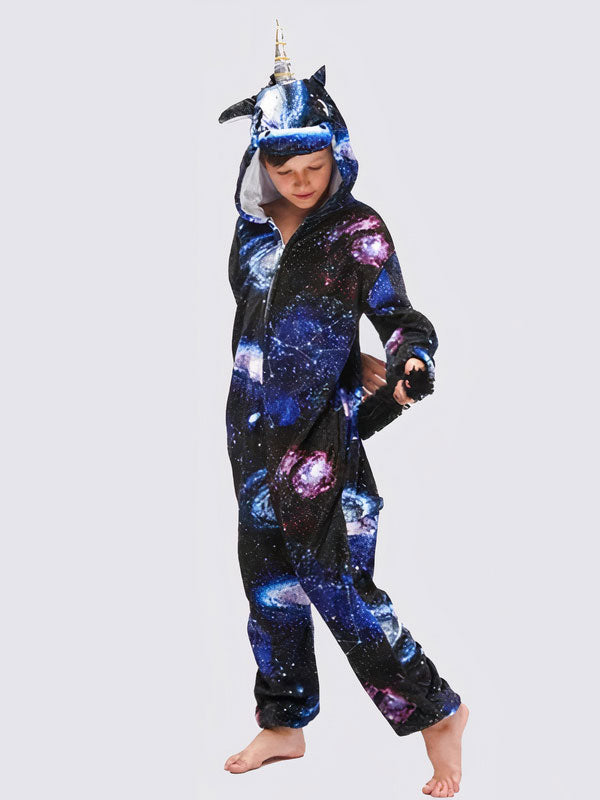
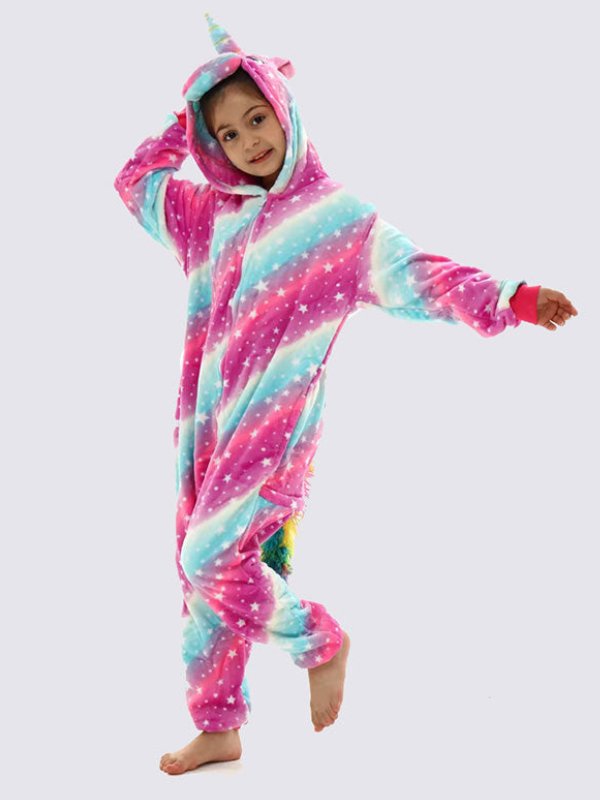
Animal onesies invite roaring, hopping, or tiptoeing around the house. Space-themed onesies fuel dreams of rockets and stars. Classic patterns feel cozy and timeless for kids who prefer something calmer.
This playful energy doesn’t disrupt bedtime—it often helps release it. Once the silliness winds down, kids settle more easily, feeling safe and comfortable in something they love wearing.
Sizing and Fit for Growing Kids
Unlike traditional pajamas, onesies need to fit correctly from shoulders to ankles. Too small feels restrictive. Too big becomes cumbersome.
How Onesies Should Fit
The ideal kids’ onesie:
- Feels relaxed through the body
- Allows bending, stretching, and sitting comfortably
- Has enough length without dragging on the floor
- Doesn’t pull at the shoulders when zipped
One-piece pajamas are meant to move with kids, not cling to them.
Measuring for the Best Fit
Height is more important than age or weight. When choosing a size:
- Measure from shoulder to ankle
- Check sleeve and leg length
- Look for size ranges based on height
If your child is between sizes, sizing up slightly is usually the better choice—especially during growth spurts.
“Room to Wiggle” vs. Safety
Unlike slim-fit two-piece pajamas, onesies allow extra room without compromising safety. Ribbed cuffs, structured seams, and thoughtful proportions keep the garment secure even with a relaxed fit.
Washing and Longevity: Keeping Onesies Cozy
Kids’ onesies are worn hard and washed often. Good care keeps them soft, warm, and looking new through dozens of wears.
Washing Tips for Best Results
To protect fabric and color:
- Wash inside out
- Use cold or warm water
- Choose a gentle detergent
- Avoid fabric softeners (they reduce breathability)
For fleece onesies, skip high heat—it flattens fibers and reduces softness.
Drying Without Damage
Air drying is ideal, but not always practical. If using a dryer:
- Select low heat
- Remove promptly
- Shake gently before folding
High-quality onesies should maintain their shape and softness even after frequent washing.
When Onesies Become Part of Family Life
Kids’ onesies often become the outfit they reach for first. They’re the uniform for:
- Snow days
- Sick days
- Movie marathons
- Sleepovers
- Early-morning breakfast runs
Some families even keep an extra onesie on hand for guests—because kids don’t want to take them off.
And yes, many parents admit wishing they came in adult sizes.
Comprehensive Kids’ Onesies FAQ
Are kids’ onesies too hot for summer?
Cotton onesies are breathable and suitable for mild temperatures. For hot nights, opt for lightweight fabrics or footless styles.
How do kids go to the bathroom in onesies?
Most kids’ onesies feature full front zippers or back access panels, making bathroom breaks quick and manageable.
Are hoods safe for sleeping?
Hoods are designed to lie flat against the back. Many parents prefer folding the hood down once the child settles in.
Can kids wear onesies all day?
Absolutely. Onesies are popular for lounging and play, especially on weekends and during colder months.
Do you offer matching adult sizes?
Yes, many families love coordinating looks for movie nights, holidays, and photos.
Are onesies suitable for sensory-sensitive kids?
Many children with sensory preferences love onesies because there are no waistbands and fewer seams.
How long do kids typically wear one size?
Most kids can wear a size for an entire season, depending on growth rate and chosen fit.
Are footed onesies better than footless?
Footed onesies offer warmth and grip; footless styles allow flexibility. Both are great—it depends on preference.
The Takeaway: Cozy Confidence from Head to Toe
Kids’ onesies combine warmth, freedom, and fun in one simple garment. They make bedtime easier, mornings cozier, and everyday moments more playful.
For parents, they offer reassurance—quality materials, thoughtful design, and durability that keeps up with real childhood. For kids, they’re comfort, imagination, and security zipped into one.
That’s why kids’ onesies aren’t just pajamas. They’re part of growing up.